

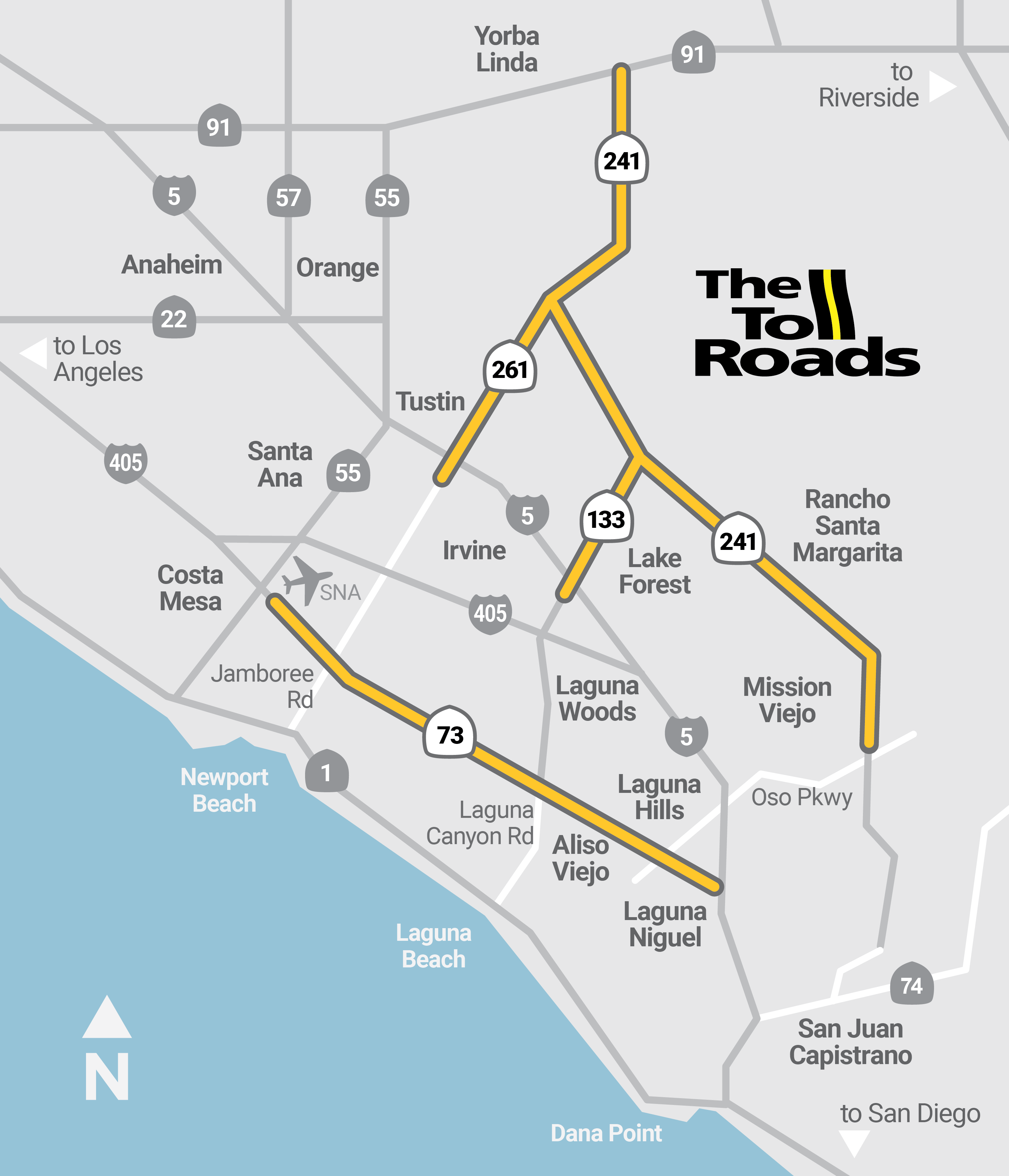
Orange County is home to the largest network of toll roads in California—State Routes 73, 133, 241 and 26—collectively known as The Toll Roads. You probably don’t think much about The Toll Roads and how they help you reliably get to where you’re going. But there’s more to them than easy commutes and great views.From the technology that makes paying tolls a breeze to protected environmental spaces, check out these five things you might not know about The Toll Roads.
The Toll Roads were built to give Orange County options.
Today, the 51-mile toll road network makes up more than 20% of the county’s highway system. Before the roads opened, Orange County’s growing population meant more cars were competing for space on an already busy highway system.
When TCA built The Toll Roads, they were designed to run parallel to some of the county’s busiest corridors, giving drivers the choice of a reliable route. Take a look at a map! You’ll discover the 73 runs parallel to the 5 and 405 and the 133, 241 and 261 run parallel to the 5 and the 55.
The Toll Roads were built without taxpayer dollars.
How do you solve for a growing population, with no available transportation funding?
With fewer tax dollars available to fund transportation projects, TCA took a new approach to plan, finance, construct and operate the roadways. Instead of government dollars, The Toll Roads was financed through non-recourse toll revenues bonds backed by tolls and development impact fees.
The bonds can only be repaid by future tolls and development fees. Since the bonds are not backed by the government, taxpayers are not responsible for repaying the debt, nor do taxpayers carry the risk if future toll revenues fall short. Toll and development impact fee revenue goes towards retiring the construction debt, funding additional improvements, and covering costs of operating The Toll Roads.
Environmental stewardship is at the heart of what we do.
When you think of toll roads, conservation and preservation usually aren’t the first things that comes to mind. But with The Toll Roads, preserving scenic beauty and healthy ecosystems is at the heart of what we do.
For more than 30 years we have been a leader and innovator not only in improving mobility in Orange County, but also in preserving and restoring open space for generations to come.
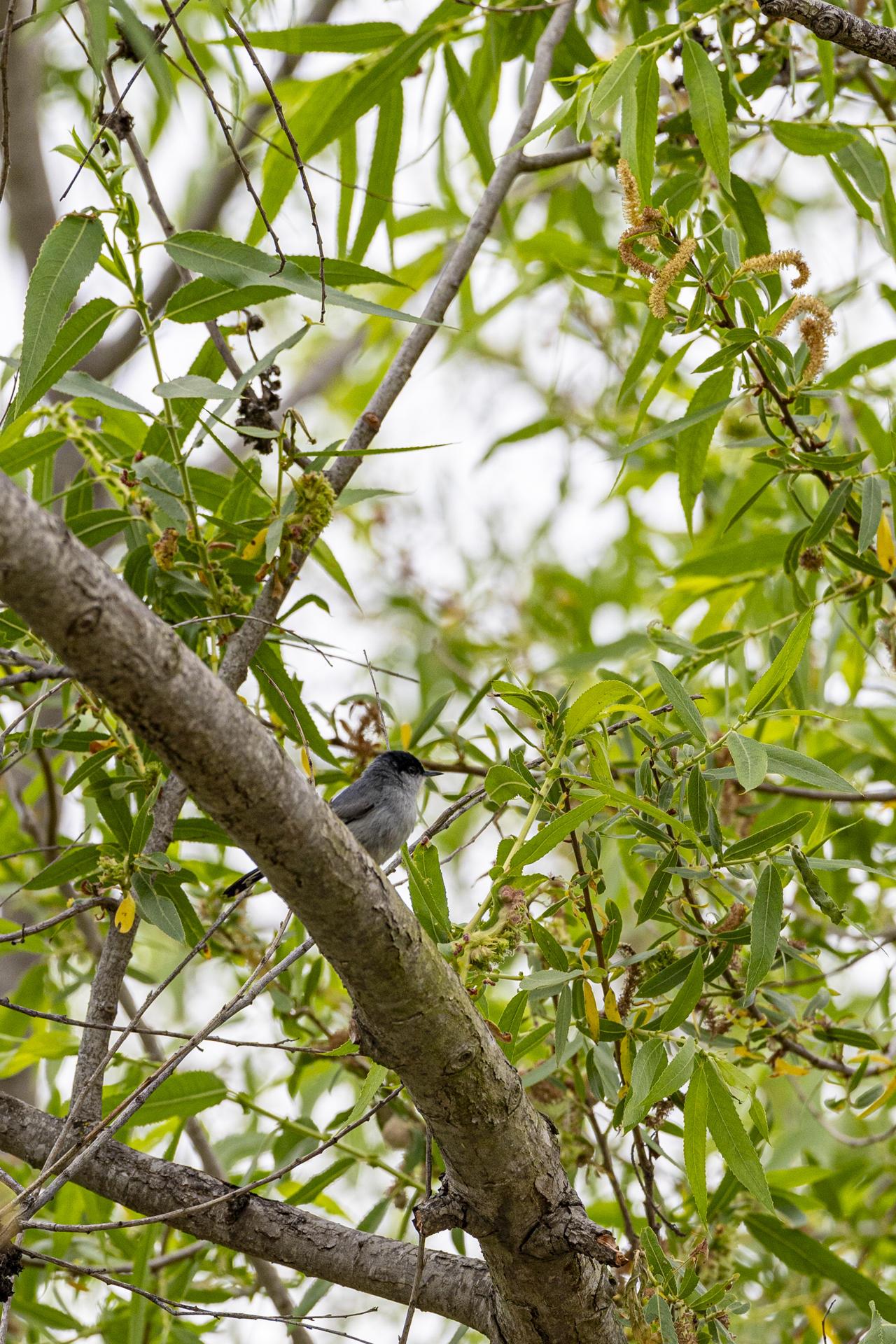
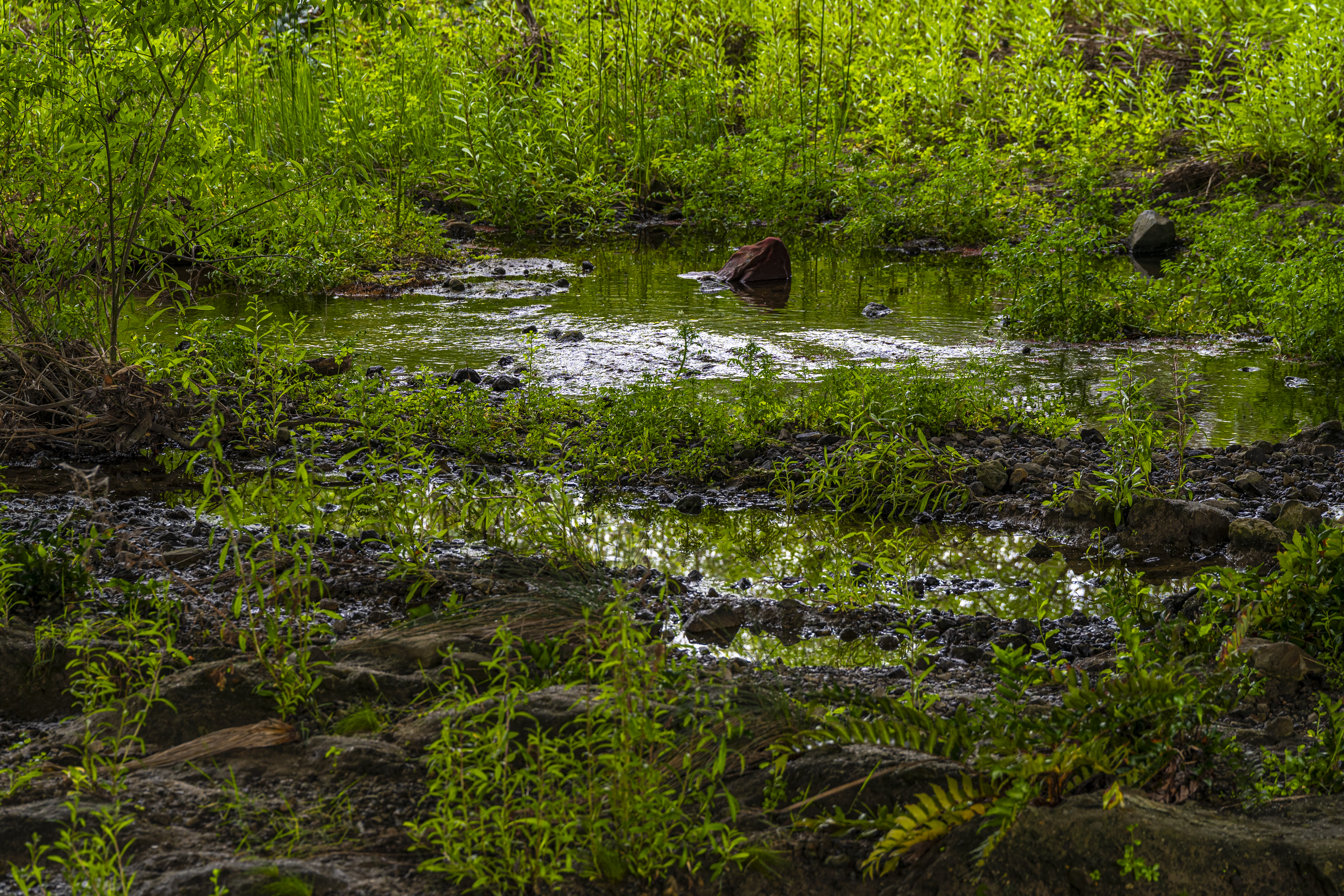
Our nationally recognized, award-winning environmental programs have, among many accomplishments, protected the natural resources of more than 2,100 acres of habitat and open space; created the first successful native habitat on a closed landfill; transformed a narrow concrete drainage ditch into a thriving wetland; and built a state-of-the-art, wildlife protection fence that keeps wildlife and drivers separate and safe.
We invite you to head over to TheTollRoads.com and learn more about the places and species we protect.


FasTrak started with us.
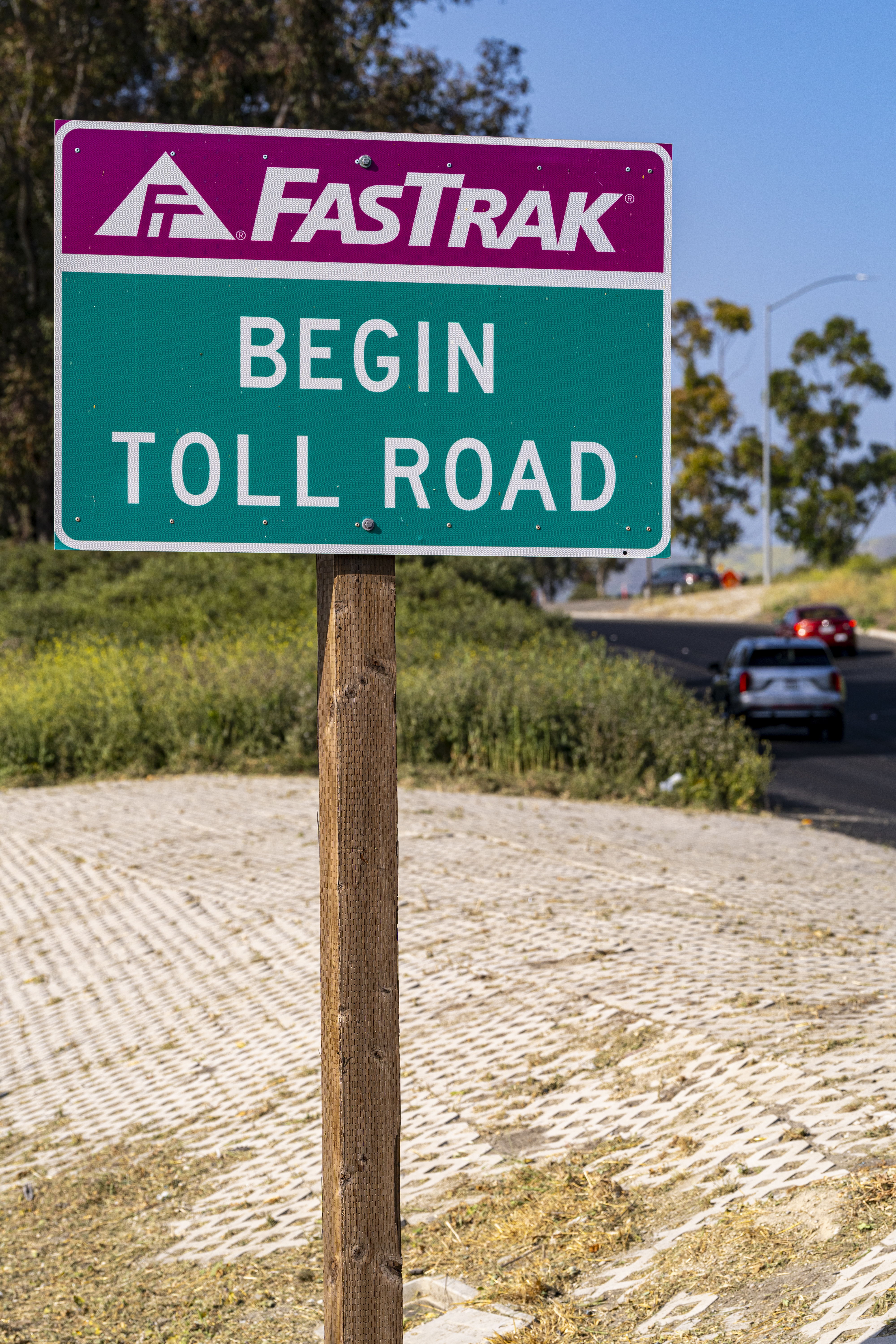
When The Toll Roads opened to drivers in the 90s, we developed the branding for the electronic toll collection system that would be licensed to toll agencies throughout the state—FasTrak.
FasTrak allows drivers to skip traffic and explore the Golden State via the state’s 25 tolled bridges, lanes and roads without having to stop at a toll booth. Did you know that California is home to more than 800 lane miles of tolled facilities? Learn more about FasTrak in California by heading over to FasTrak.org.
Your account with The Toll Roads can be used to pay tolls in North Texas.

Your account with The Toll Roads now takes you more places than ever, providing drivers the ability to travel hassle-free in North Texas thanks to our partnership with the North Texas Tollway Authority.
To take advantage of this convenience, drivers must have an account in good standing with The Toll Roads. Check out TheTollRoads.com/NorthTexas to see where in Texas your account with The Toll Roads is compatible.
So how many did you know? Maybe you knew about FasTrak, or you’ve spotted an environmental site when you’re driving along the roads. Whether you’ve been driving The Toll Roads for years, or discovering them for the first time, there’s always more to the story. Head over to TheTollRoads.com to learn more about the roadways that help keep Orange County moving forward.

