
Fire season has become a year-round event along the West Coast. It’s critical that government…
Tag: Mobility

Orange County is home to the largest network of toll roads in California—State Routes 73,…

The Toll Roads are here to help you spend less time in traffic and more time soaking up the sun. Whether you’re planning a beach day or out on the town, there’s always something new to explore.

When many people think about road safety, they think about traffic, road conditions or vehicle maintenance. Along a 12-mile segment of the 241 Toll Road lies a critical safety feature that keeps both drivers and wildlife safe.

April 20th marked the kick-off of National Work Zone Awareness Week (NWZAW). The event has been observed for more than 20 years and was launched as a public awareness campaign to help everyone understand they play a role in keeping motorists and roadway workers safe.

Orange County is home to a layered transportation system, there’s toll roads, interstates, express lanes and more. As you drive, you may see signs for toll roads, express lanes and carpool lanes. But what’s the difference?
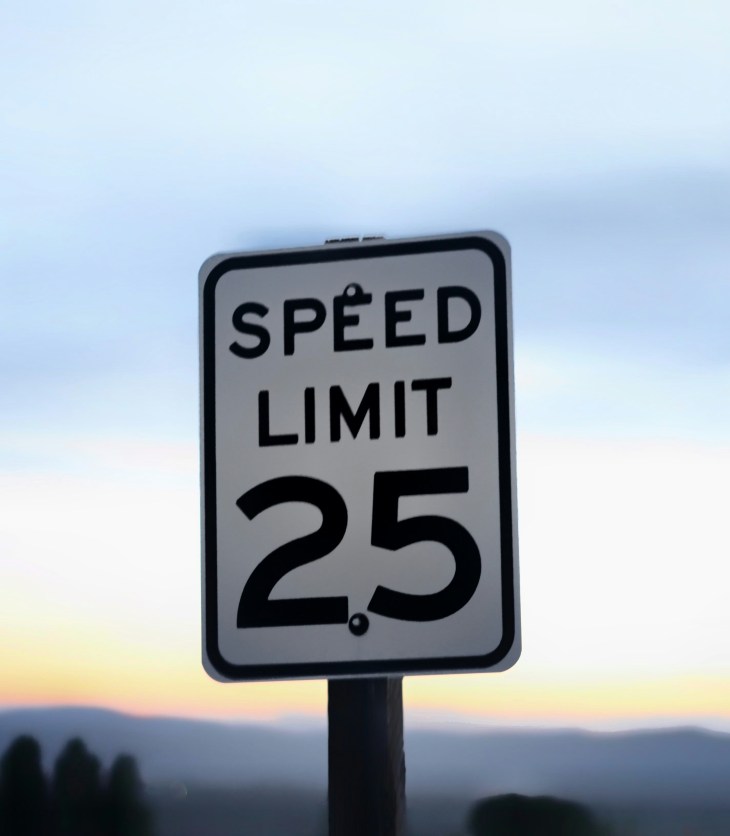
When on the road, drivers don’t always have time to squint at text or symbols,…

The Toll Roads are proud to expand our Disabled Veteran Program, offering greater flexibility for eligible drivers. This expansion allows veterans who qualify for the California DMV Disabled Veteran Registration Fee Exemption to receive free tolls exclusively on The Toll Roads, even if they choose not to display a veteran license plate.
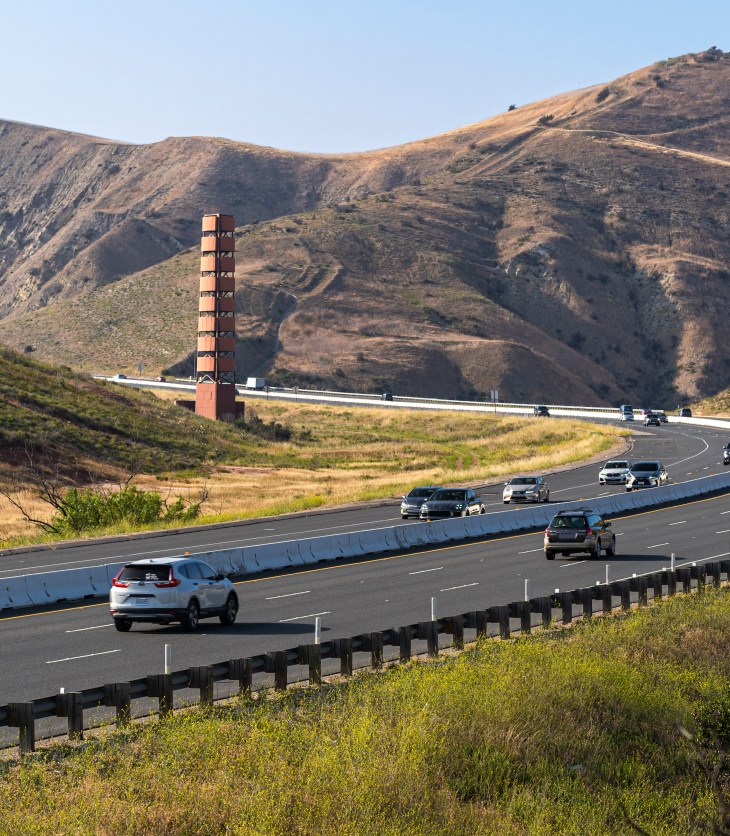
If you’re new to driving The Toll Roads or need a quick refresher on how to pay a toll, resolve a violation or sign up for a FasTrak® account with us, we’ve got you covered!
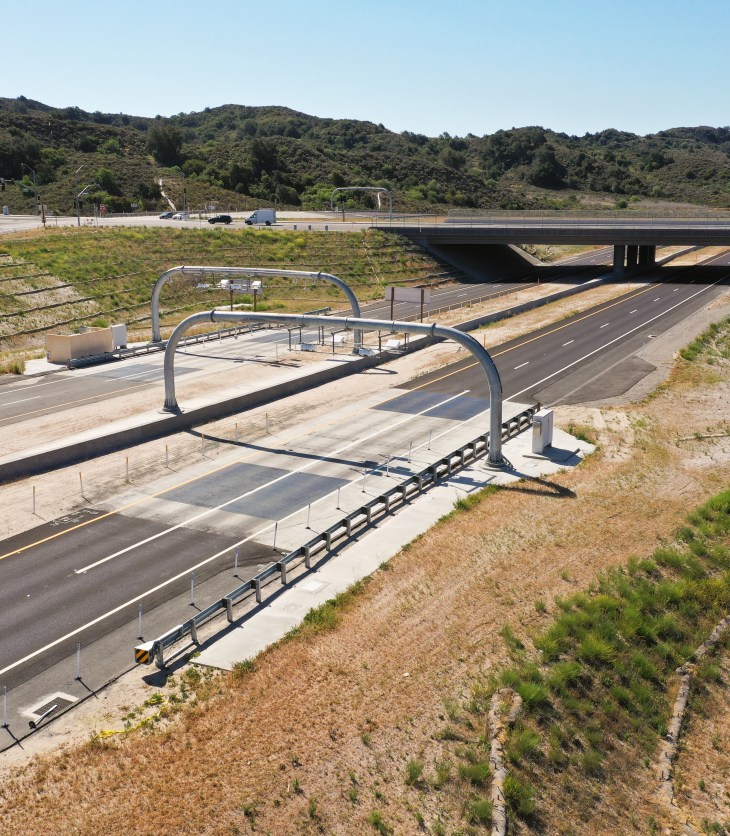
Four years ago, the Transportation Corridor Agencies (TCA), the operators of The Toll Roads, celebrated…

