
Fire season has become a year-round event along the West Coast. It’s critical that government organizations, businesses and the public remain vigilant in reducing fire risk. The Transportation Corridor Agencies (TCA), operators of The Toll Roads, actively reduces wildfire risk on and off the roads through a combination of infrastructure upgrades and land stewardship.
On the Roads
Over the years, The Toll Roads have been impacted by various wildfires. Most recently, the 2020 Silverado Fire raged for nearly two weeks, burning 13,390 acres, forcing the evacuation of approximately 90,000 residents, shuttering schools and temporarily closing portions of the 133, 241, and 261. In total, the fire destroyed three structures and damaged nine—including the Tomato Springs Mainline Toll Point buildings on the 241 and the Orange Grove Mainline Toll Point buildings on the 133.
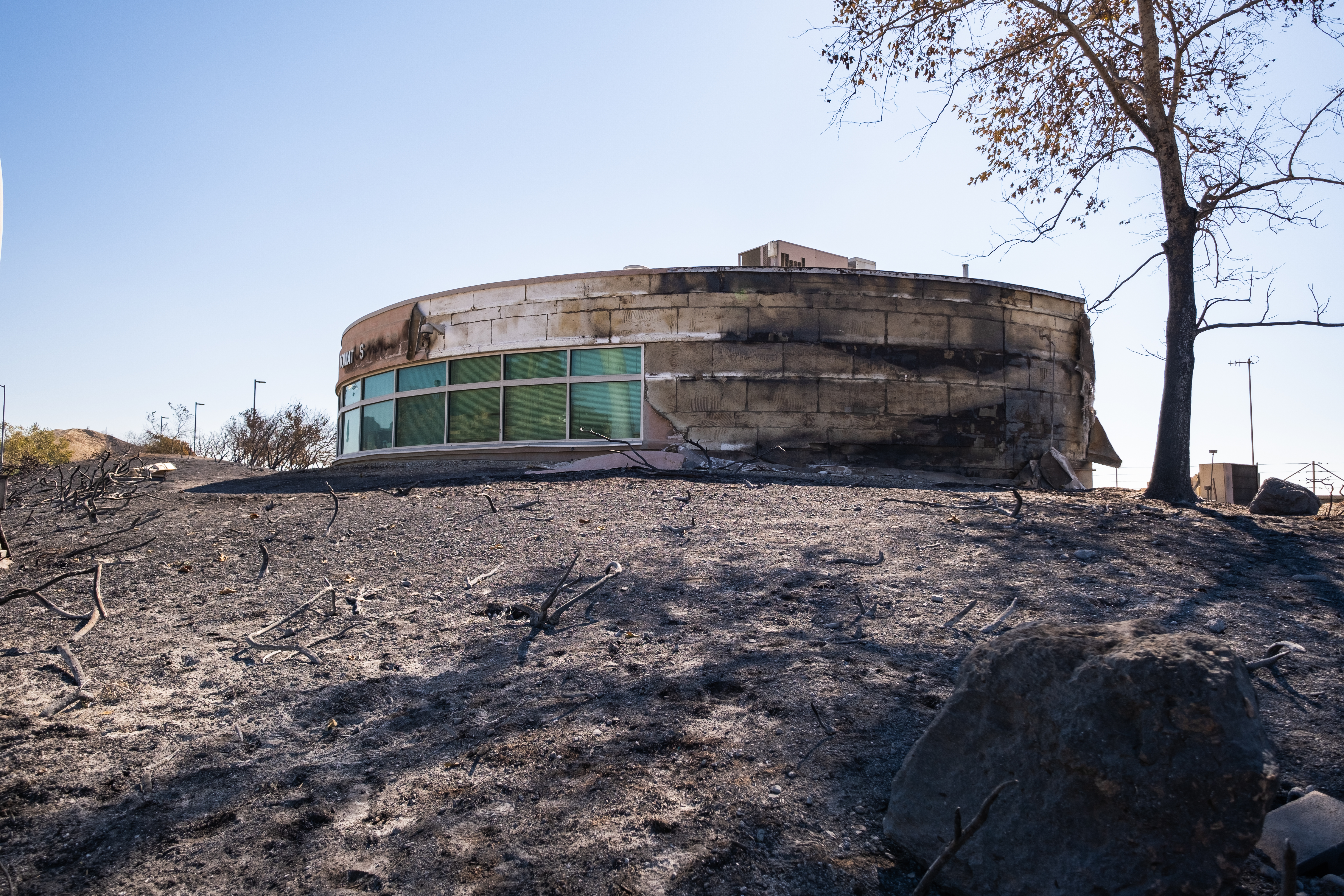
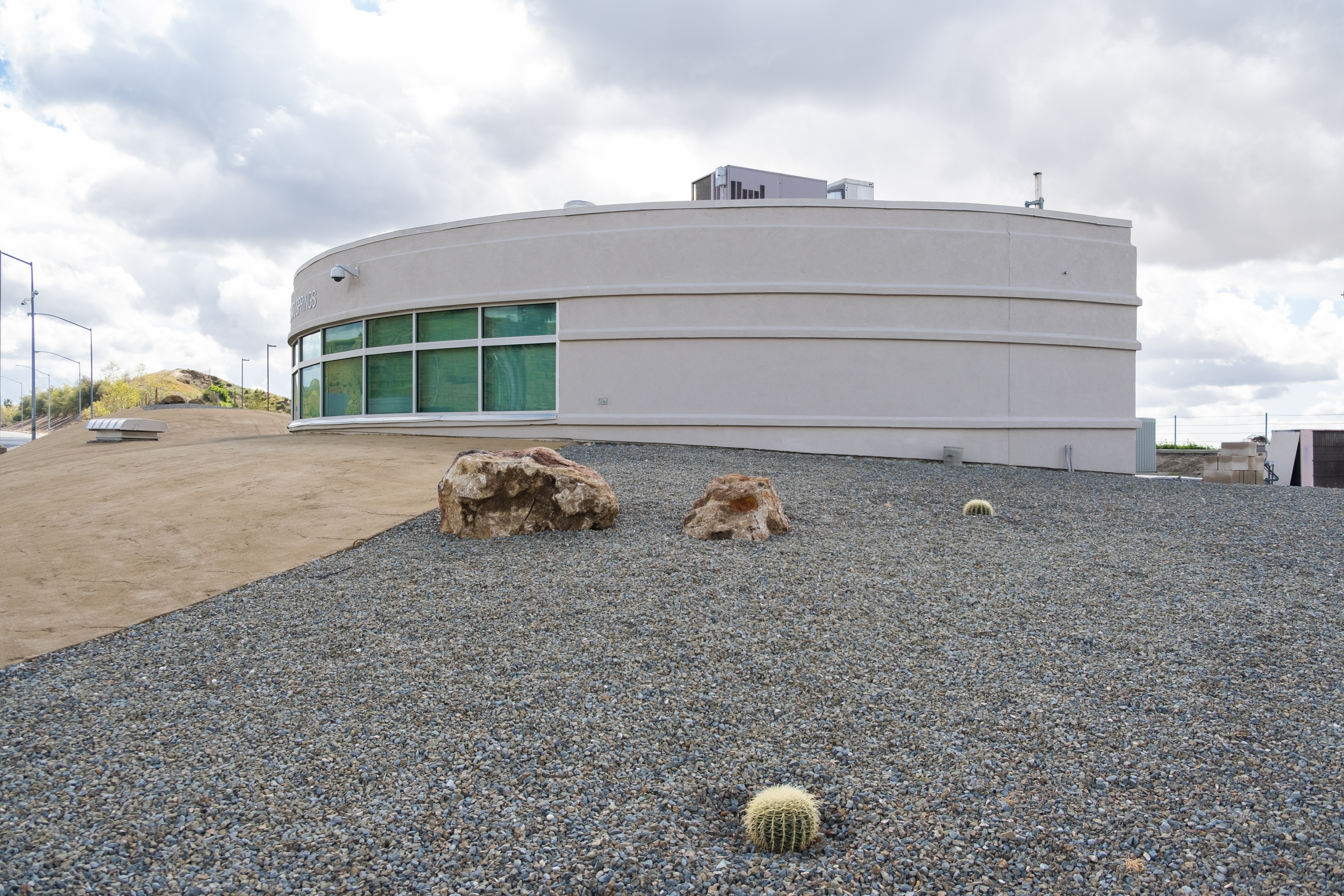
TCA has since repaired the fire damage and implemented additional fire preventive measures at the affected buildings based on recommendations from the Orange County Fire Authority (OCFA), including a 100-foot defensible space around all mainline toll plaza buildings, increased hardscape and limited landscaping using plants from OCFA’s approved list of plants that reduce potential fuel sources and are drought tolerant.
In addition, in partnership with Caltrans, enhanced wildlife jump-out ramps along the 241 Toll Road have been rebuilt with steel and concrete to better withstand wildfire events and support emergency response. To learn more about award-winning wildlife protection fencing and jump-out ramps, click here.
Off the Roads
With The Toll Roads, TCA is known for reliable commutes and scenic views. But what many people may not know is, for more than 30 years, TCA has been a leader and innovator in preserving and restoring open space for generations to come.
At over 2,100 acres, TCA’s environmental mitigation sites enhance wildlife connectivity and extend existing wildlife corridors. And at these sites, TCA has been actively completing fuel reduction activities—including working with OCFA and the Agencies’ biologists and land management contractors to maintain access roads, remove dry vegetation that could become fuel for a fire and create fire hazard break zones.


TCA is also pioneering a sustainable fire mitigation strategy through its cattle grazing program, which reduces dry vegetation in open spaces like the 23.2-acre Live Oak Plaza Conservation Area in Trabuco Canyon.
Conservation grazing, or targeted grazing, is a carefully monitored, science-based tool utilizing livestock to improve and maintain the quality of biodiversity of natural areas. It is cost-effective and helps reduce flashy fuels and associated fire risks, increase bare ground, and promote a shift toward native annual species.
In working to reduce our fire risks, TCA continues to take important proactive steps to prevent and mitigate wildfires. By doing our part, we are helping to protect our community; protecting and preserving wildlife and their native habitats; while continuing to work in collaboration with our first responders.
The Toll Roads are owned and maintained by Caltrans as part of the California State Highway System. To report overgrown brush along any state highway, visit the Caltrans Customer Service Request portal. For personal wildfire preparedness, OCFA’s Ready, Set, Go! program offers essential tips on creating defensible space, evacuation planning and fire-safe landscaping.

