
When on the road, drivers don’t always have time to squint at text or symbols, especially from a distance or when travelling at highway speeds. That’s why road signs use visual cues like color and shape to help drivers instantly recognize what to expect on the road ahead.
Why is sign shape so important? The shape offers drivers an immediate clue about the type of message it contains. In many cases, shape is so distinct that drivers can identify the sign even if it’s partially obstructed, faded or seen from behind.

Here’s how different shapes are commonly used on U.S. roadways:
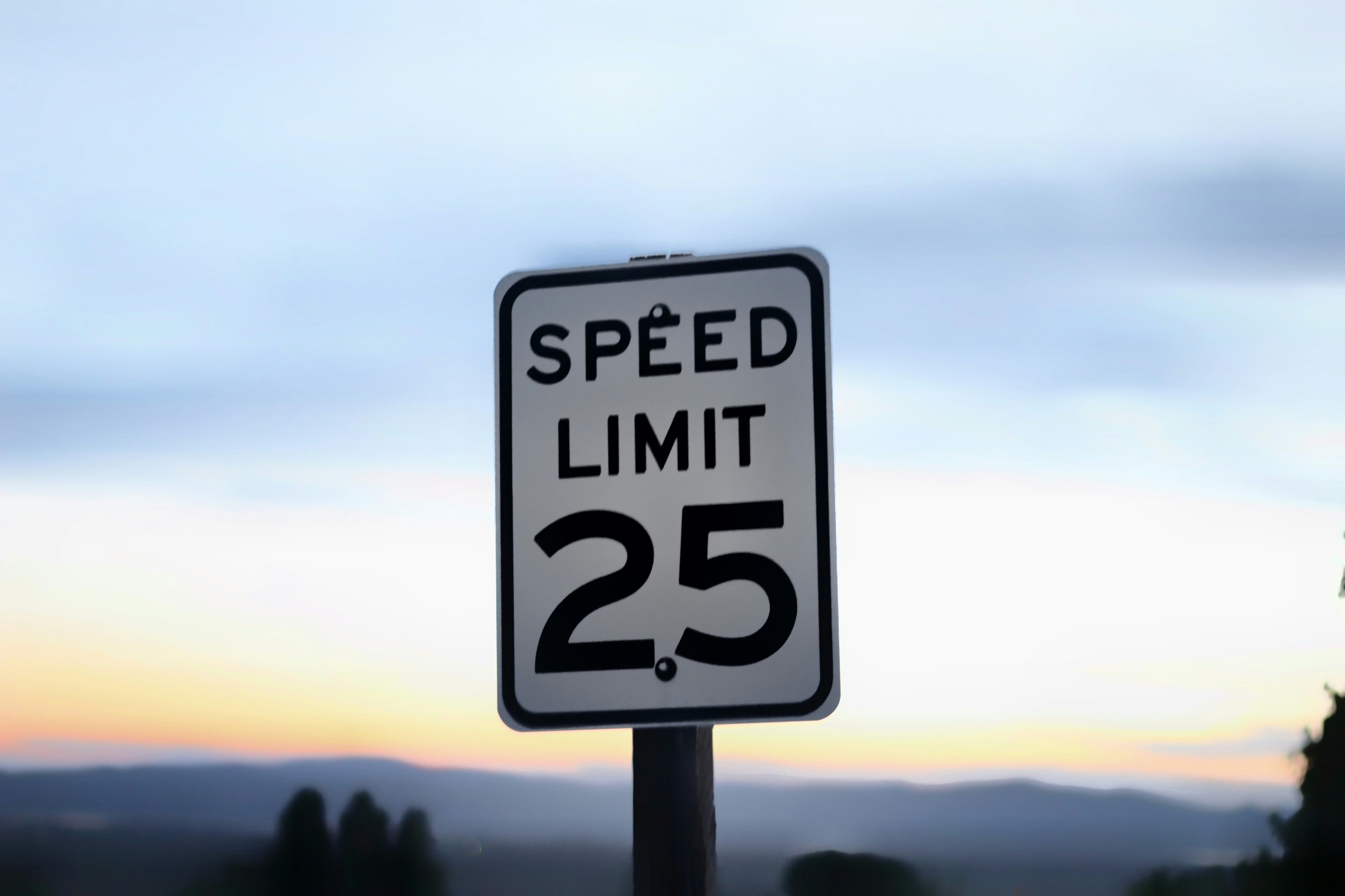
- Rectangles (vertical or square) are used for regulatory signs that communicate traffic laws and requirements, like speed limits, lane use instructions, one-way notices and parking rules.
- Rectangles (horizontal) provide helpful information to drivers, such as directions, destinations, roadway names and mileage.
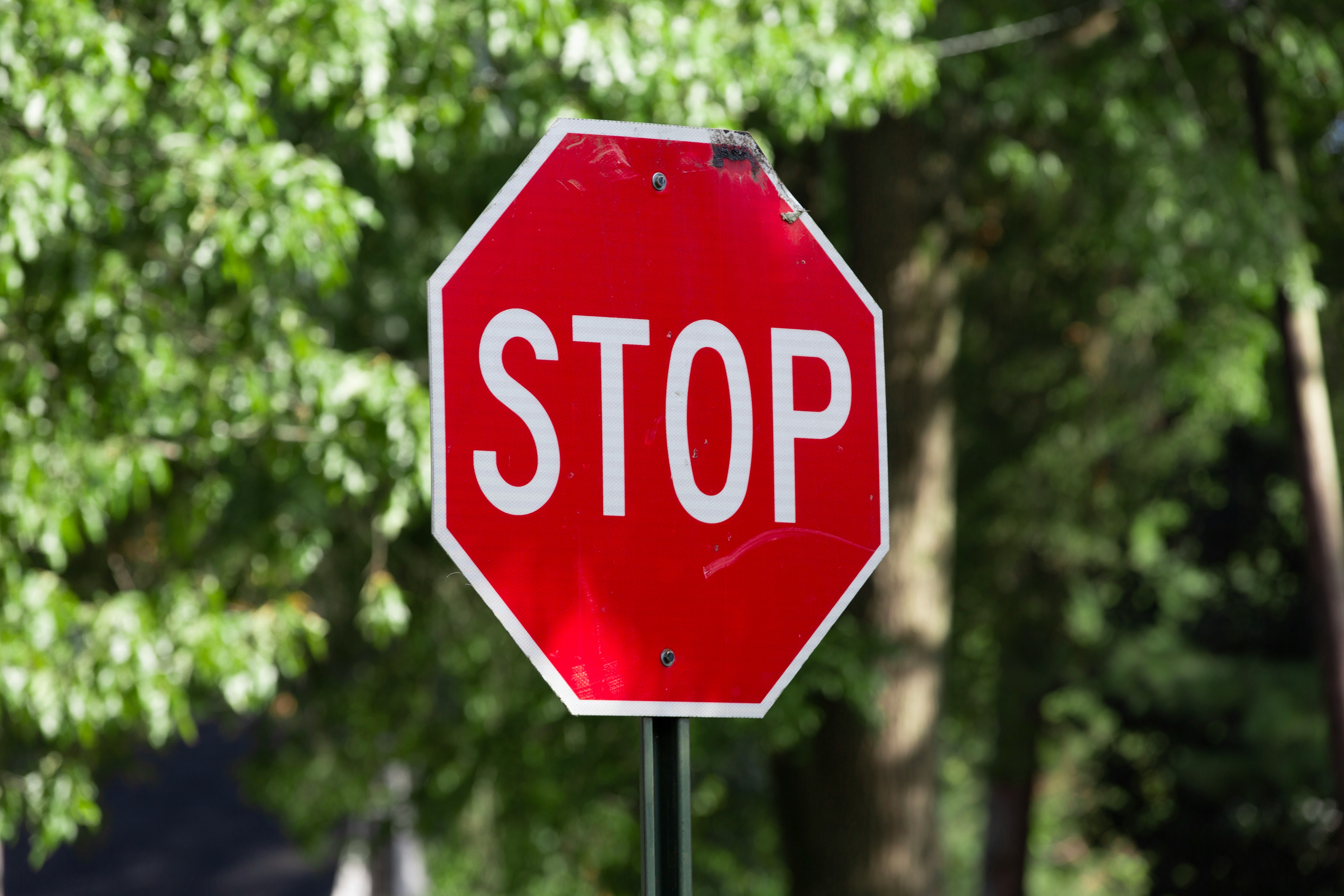
- Octagons are used exclusively for stop signs. When drivers see an octagon, they know they must come to a full and complete stop at the line.
- Inverted triangles are reserved exclusively for yield signs, telling drivers to slow down, be prepared to stop if necessary and let other vehicles or pedestrians proceed first.
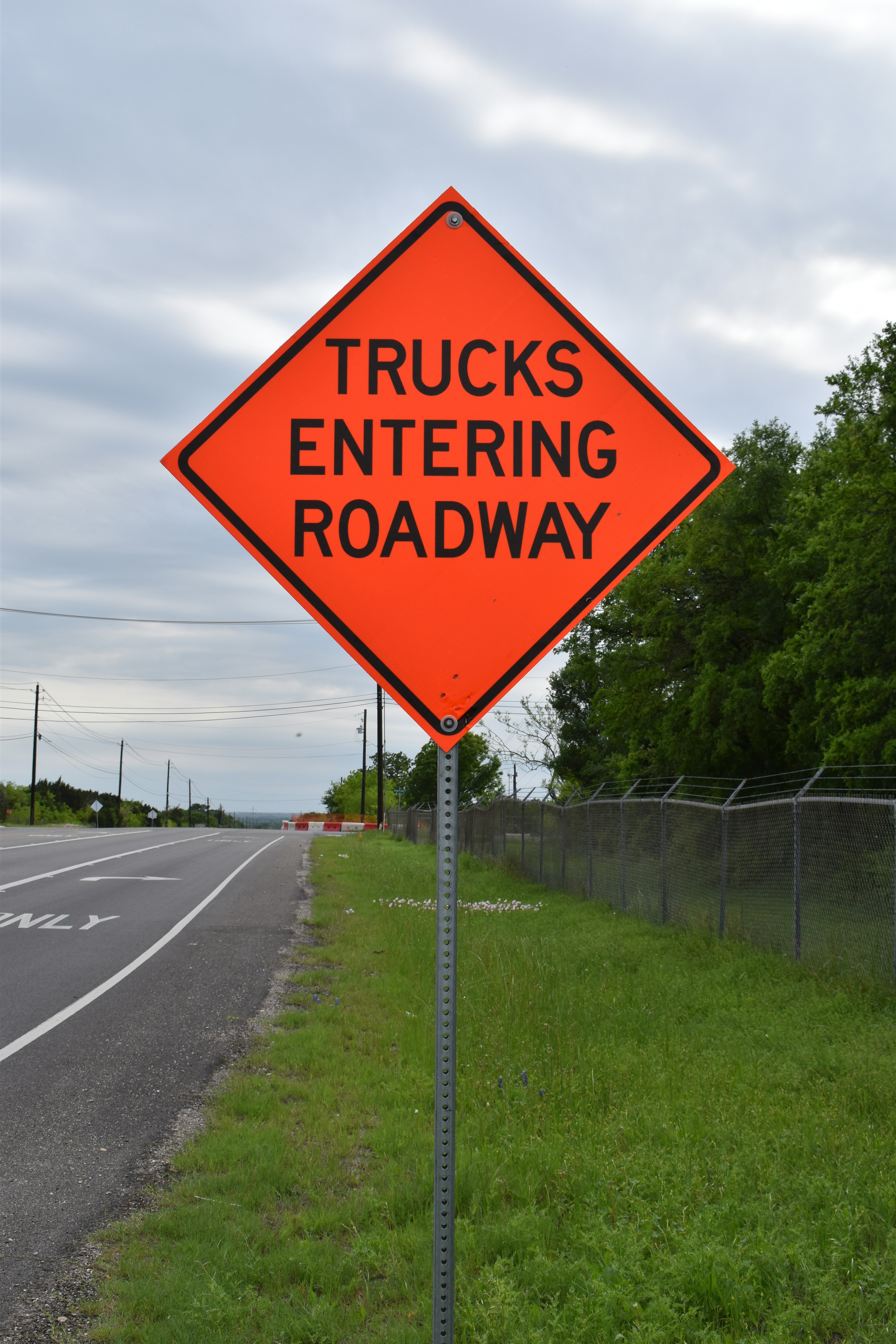
- Diamonds are used to indicate warnings about the conditions ahead. They alert drivers to potential hazards like curves, merges, animal crossings or construction.
- Pentagons indicate school zones where drivers should watch for children and reduce their speed (if required).
- Circles are used to warn drivers of a railroad crossing and that they should slow down, look and listen before crossing the area.
- Pennants are flag shaped signs used to mark the beginning of a no-passing zone.
Using Shape & Color Together
Combining shape and color is what makes road signs so effective. It makes sure they’re clear from a distance, in low visibility or even in heavy rain. Because these cues are standardized nationwide, drivers can often “read” the road instinctively.
A few common examples include:
- Yellow diamond indicating a warning or hazard ahead
- White vertical rectangle indicating speed limits or parking rules
- Green horizontal rectangle directions, exits and street names


To learn about what different colors mean on road signs, check out our previous blog here.
 The Toll Roads Blog