
Have you ever noticed the brown fencing along the north end of the 241 Toll Road? Spanning 12 miles of the corridor, the 241 Wildlife Protection Fence keeps wildlife off the roads and guides them to existing wildlife bridge and culvert undercrossings that allow protected passage to open spaces on either side of the road.

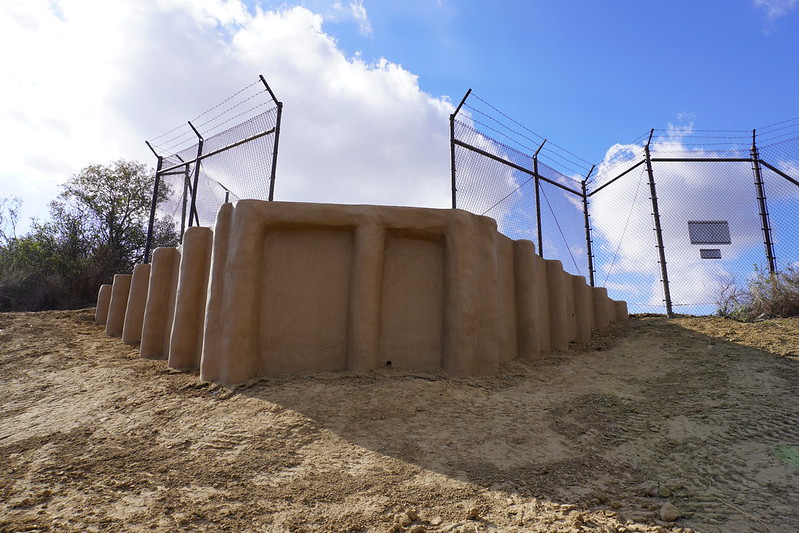
But what happens if an animal ends up on the roadside of the fence? There are 26 jump-out ramps built into the fence to provide animals with access back into open space. The ramps range in height between six-to-seven feet and are strategically placed a half mile apart between Santiago Canyon Road and the 91 Freeway. These ramps were designed specifically to encourage one-way access, so wildlife doesn’t end up back on the roadway.

Some of these jump-out ramps were damaged in a wildfire along the 241 Toll Road and needed repair. In 2024, these jump-out ramps underwent a year-long reconstruction project to rebuild them with steel frames and concrete to ensure the new ramps have greater resistance to wildfire events. Existing wooden ramp structures that were not damaged by the fire, received an additional protective concrete covering to enhance their resistance to wildfire events.


The wildlife protection fencing has worked exceptionally well in combination with the animal undercrossings that were constructed with the roads. The success of the fence in protecting wildlife and road users has generated both national and international recognition, receiving multiple awards. To date, there have been no reported wildlife vehicle collisions within the project area since the completion of the additive wildlife protection measures.
The Transportation Corridor Agencies (TCA), operator of The Toll Roads, are a leader and innovator not only in improving mobility in Orange County, but also in preserving and restoring open space for generations to come. Learn more about our environmental initiatives at TheTollRoads.com.
 The Toll Roads Blog