
Thirty years ago, the Transportation Corridor Agencies (TCA) made history when we transformed the former Coyote Canyon Landfill in Newport Beach to a coastal sage scrub wonderland. It was the first time that native habitat for an endangered species had ever been planted on a closed landfill. Today, it serves as a self-sustaining, thriving native habitat that supports various wildlife.
A Unique History
From 1963 to 1990, central Orange County’s solid waste was disposed of at the Coyote Canyon Landfill. During this 27-year period, more than 60 million cubic yards of waste was buried on approximately 395 acres. In 1982, the gas produced by the decomposing waste was used to fuel electricity production, generating roughly seven megawatts of power, supplying electricity for at least 6,000 homes for 32 years.
When it closed in 1990, Coyote Canyon Landfill’s closure plan was the first in the nation to include specifications to create habitat for a federally listed bird species, the California gnatcatcher.


The Goal: Resilient Habitat
TCA’s goal was to create an adaptable habitat at Coyote Canyon that needed no maintenance after its initial establishment. Linking the San Joaquin Hills and Upper Newport Bay, Coyote Canyon was the perfect site to improve connectivity for wildlife in the area. Wildlife corridors like this help birds and animals expand their breeding areas which, in turn, reduces the likelihood of inbreeding and genetic loss.
In the fall of 1994, TCA seeded the land with coastal sage scrub, a low-growing, aromatic and drought-deciduous shrub found in coastal California. The soil was monitored to ensure the native plants’ moisture and roots did not negatively affect the landfill’s clay cap and gas recovery system. The monitoring and resulting reports were the first demonstration in the southwest U.S. that native vegetation could be planted and maintained without compromising a landfill closure cover or gas recovery system.
Today, the 122 acres of coastal sage scrub thrives, maintenance-free, supporting a variety of wildlife, including the California gnatcatcher.
A Home for the California Gnatcatcher
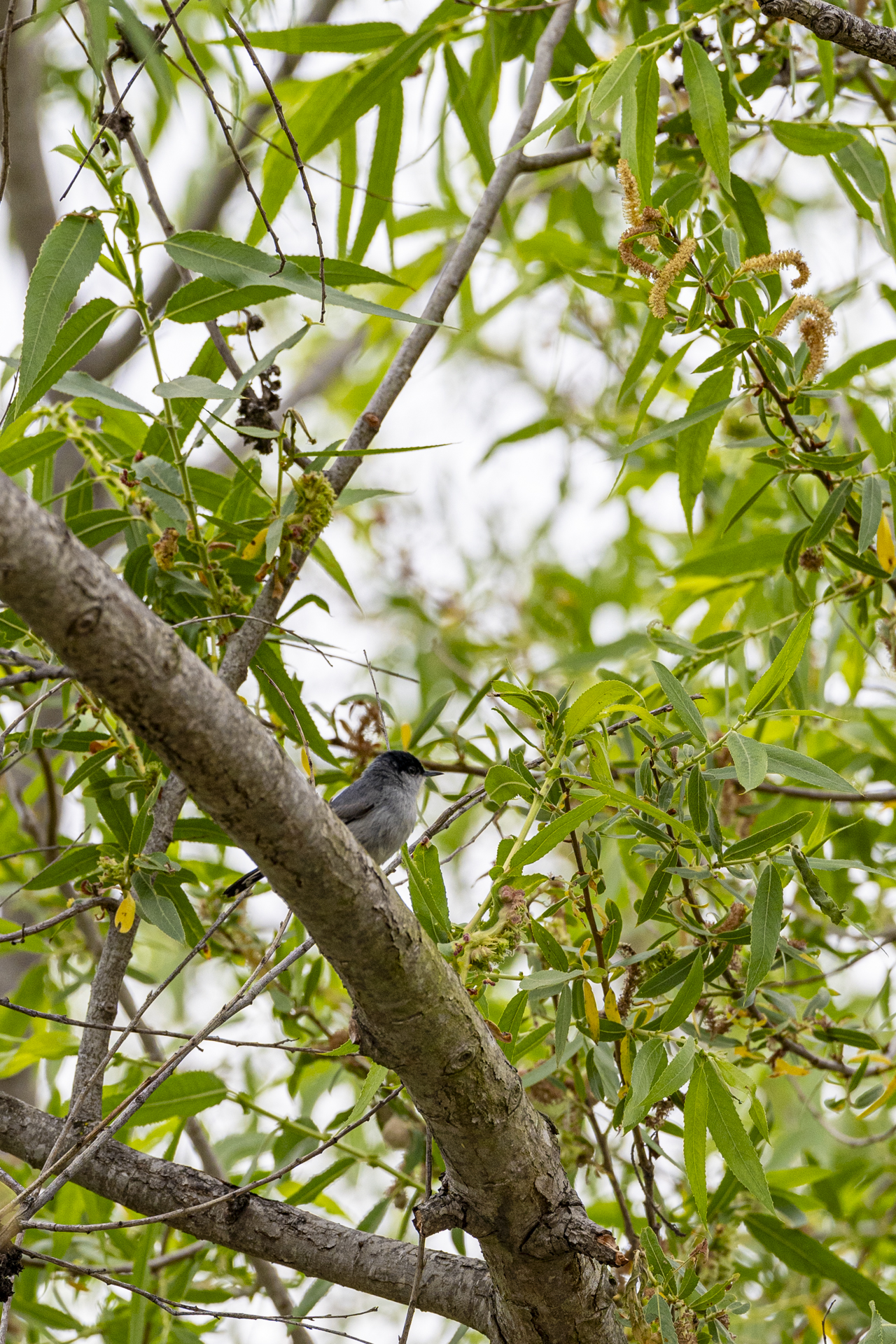
Listed as “threatened” by the federal government in 1993, the California gnatcatcher is a small, non-migratory songbird that frequents dense coastal sage scrub. The first California gnatcatcher pair arrived at the Coyote Canyon Landfill ahead of schedule — just two years after the habitat was planted.
Gnatcatcher sightings, particularly nesting and breeding pairs of gnatcatchers, usually indicate that an ecosystem is healthy. Surveys conducted by Orange County Waste and Recycling in 2019 documented 53 California gnatcatcher individuals (including 20 pairs), providing proof of a successful restoration effort. In fact, the site is so successful, it is now considered a source site for the population and breeding.
Part of a Plan
Today, Coyote Canyon Landfill continues to evolve as a protected space within the Natural Community Conservation Plan/Habitat Conservation Plan (NCCP/HCP) for the Central and Coastal Subregion of Orange County. It will be preserved and flourish for generations to come.
Since 1996, TCA has been a proud participant and active contributor to the Central/Coastal NCCP, a reserve created to set aside 38,783 acres of prime habitat in Orange County for 42 individual species. TCA contributed nearly $7 million to the Natural Communities Coalition of Orange County’s endowment of $10 million to ensure the long-term management of habitat from Orange County’s coast to the Cleveland National Forest, set aside as open space as part of this NCCP. The goal of the NCCP is to conserve native animal and plant species while continuing to allow appropriate development and growth.
Environmental Commitment
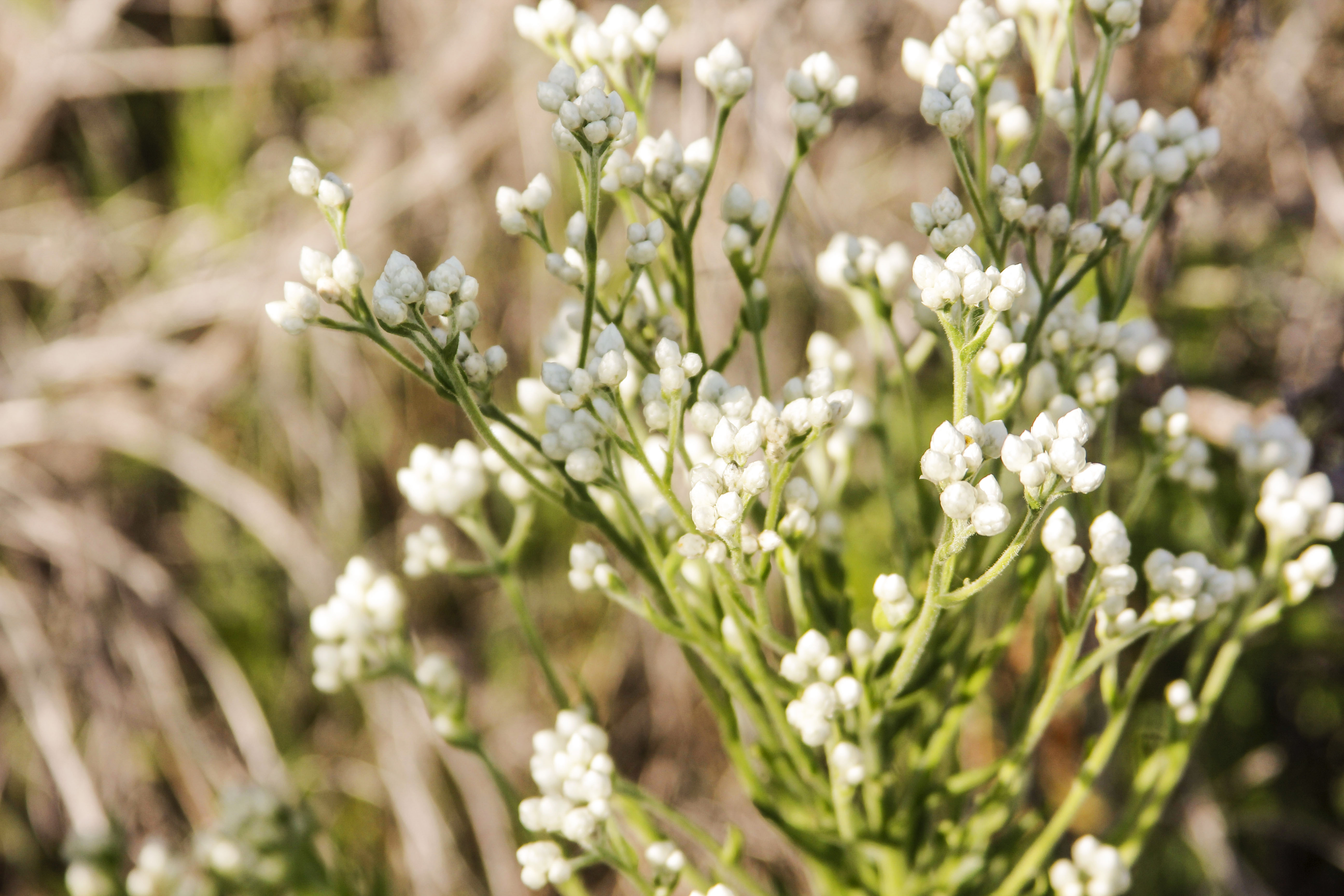
One of our highest priorities is balancing construction and operations of The Toll Roads with the preservation of open space. TCA has conserved and restored 17 locations in Orange County. Hundreds of birds and animals – including the California gnatcatcher – have found a safe home on TCA’s more than 2,100 acres of coastal sage scrub, wetlands, riparian and salt-water marsh.
TCA’s environmental programs and initiatives have established TCA as an industry leader by protecting Orange County’s native habitats and the wildlife within them for generations to come. To learn more about our commitment to environmental preservation, visit TheTollRoads.com.
 The Toll Roads Blog